Installation Resources
Acclimation: How to Acclimate Your Trinity Bamboo Floor
Before any strand bamboo floor goes down, it needs time to settle into your home's conditions. Here's why acclimation matters and how to get it right.
Why Acclimation Matters
Strand bamboo flooring is manufactured to tight moisture tolerances, but every home has its own climate. Letting cartons rest on-site allows the material to adjust to the temperature and humidity it will actually live in, reducing the risk of gaps, cupping, or buckling after installation.
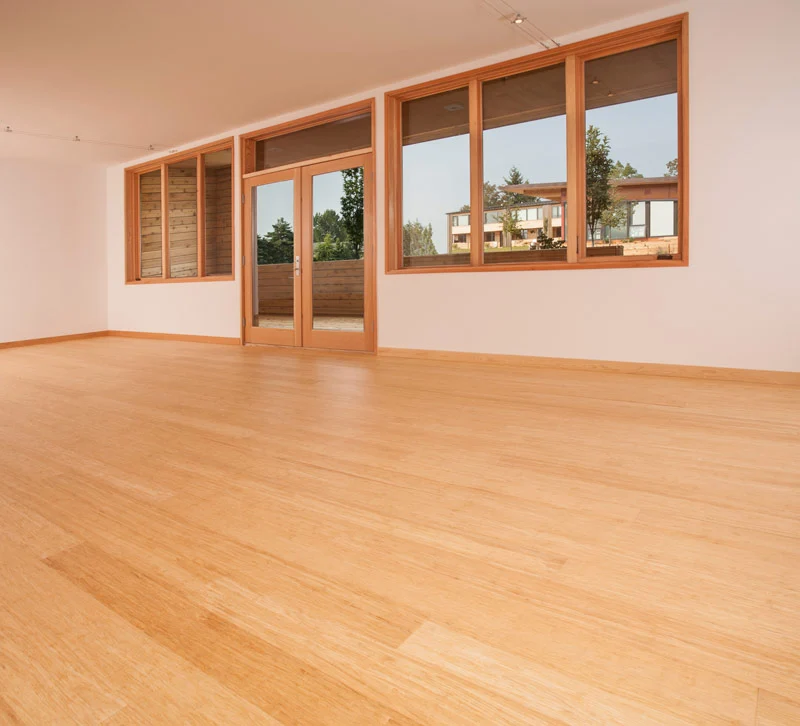
Moisture Content & Relative Humidity
Acclimation is really about matching two things: the moisture content of the bamboo and the relative humidity of the room where it will be installed. Rooms that run unusually dry, damp, or are freshly plastered or painted need extra attention, since those conditions affect how quickly the flooring stabilizes.
Store cartons flat, in the actual room of installation, away from exterior doors and direct moisture sources, and allow the HVAC system to run normally during this period.
Acclimation is the quiet first step in a successful bamboo flooring project. Before a single plank of strand bamboo is laid down, the cartons need to rest inside the room where they will live, so the material can adjust to that space's temperature and humidity. Because the flooring is manufactured to tight moisture tolerances, a period of on-site settling helps it adapt to local conditions and minimizes the chance of gaps, cupping, or buckling once the floor is underfoot and exposed to normal traffic.
Good acclimation habits start with reading the installation guidance for your specific product and checking the site conditions. Unpack cartons, remove protective wrapping, and spread the boards out rather than stacking them in a tight pile, since airflow matters more than tidiness during this stage. Keep the room at typical living temperatures, avoid running heating or cooling systems that push the air far outside normal ranges, and give the floor adequate time before installation day arrives.
Timing and environment are the two variables most homeowners underestimate. Flooring should acclimate in the same general conditions it will occupy afterward, which means choosing a stable, climate-controlled space rather than a damp garage, cold basement, or freshly painted room. Allowing enough time in a well-ventilated area helps the bamboo reach equilibrium with the surrounding air, and monitoring the room's humidity and temperature throughout the period keeps the process predictable. Rushing this step is one of the most common reasons a floor later performs poorly.
Once acclimation is complete and the floor is installed, the same attention to indoor air quality and stable humidity continues to protect your investment. Strand bamboo, solid bamboo, and engineered wood floors all benefit from consistent care, and many of the accessories and cleaning products sold for these surfaces are designed with healthier, safer environments in mind. Following the recommended care routine keeps floors looking new for years, supports manufacturer warranty coverage, and helps preserve the durability and beauty that come with factory-direct quality bamboo flooring.
Correct Acclimation Method
- Keep flooring in its original packaging until acclimation is complete.
- Lay cartons flat rather than stacking them tightly against walls.
- Maintain normal household heating and cooling throughout the process.
- Avoid placing cartons in garages, basements, or other rooms with different conditions than the installation site.
Preventing Future Floor Issues
Skipping or rushing acclimation is one of the most common causes of post-installation problems with solid strand bamboo. Taking the time to let your floor settle before nailing, gluing, or floating it helps protect the investment and supports a cleaner, more stable finish once it's down.